Southwestern Black and White Pattern Review
A First Look at the Visual Language
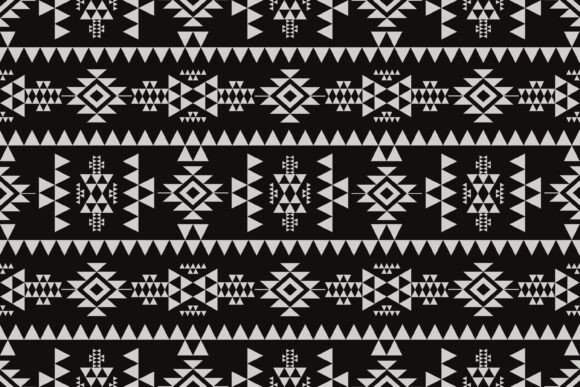
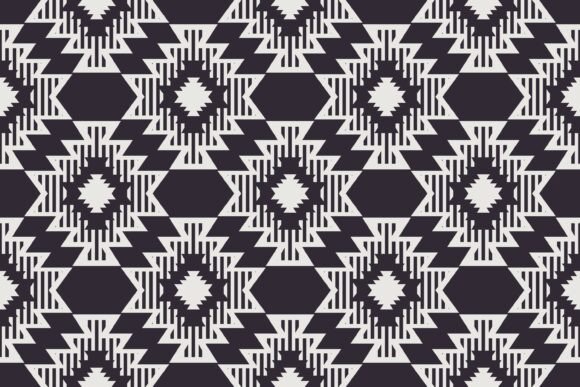
When I first opened the Southwestern Black and White Pattern, I was struck by its clean, geometric aesthetic. This design feels rooted in traditional Aztec motifs but with a modern twist. The sharp angles and bold lines give it a strong visual presence that immediately sets a mood of timeless elegance and cultural depth. It's not overly intricate, which is a good thing—too much detail can be overwhelming for embroidery, especially on simpler projects.
The pattern’s black and white contrast makes it versatile. It doesn’t scream for color, so it’s easy to integrate into a wide range of fabric types and project styles. Whether you're working on a rustic tote bag or a minimalist pillow cover, this design has the potential to fit without feeling out of place.
Real-Life Embroidery Use: A Tote Bag Scenario
Let’s say I’m preparing a custom embroidered tote bag for a small shop that sells handmade home goods. The Southwestern Black and White Pattern would be a great choice here. Its structured look adds visual interest without overpowering the simple canvas of the tote. I can imagine stitching it across the front panel using a combination of satin stitch and fill stitch to create dimension and texture.
For a tote bag, I’d test the design on scrap fabric first. Checking how the stitch density handles the fabric’s stretch is important. If the fabric is too thin or stretchy, I might need to add a stabilizer to prevent distortion. Also, since the design is seamless, I can easily repeat it across larger areas if needed, which is perfect for bigger items like blankets or aprons.
As for customer reaction, I think this design would appeal to buyers looking for something unique yet classic. It’s not too trendy, so it has a chance to remain relevant over time. It also gives the finished product an air of quality, which is crucial for a handmade product sold through platforms like Etsy or at craft fairs.
Where This Design Shines and Where It Needs Care
The Southwestern Black and White Pattern excels in large, flat areas. Think of tote bag design, sweatshirt embroidery, or even nursery decor. These are all projects where the design can breathe and the geometric shapes can be fully appreciated. However, there are limitations. For example, if I were to use it on a cap or a curved surface, the corners might not align perfectly, leading to a slightly distorted look.
Similarly, if I were to stitch this pattern on a thin fabric or a textured fabric, the results could be less than ideal. The lack of color means I need to ensure the thread colors have enough contrast against the fabric background. On dark fabrics, the black parts may blend in, making the design less visible. Testing on both light and dark backgrounds is essential before finalizing any project.
Another consideration is hoop size. Since the design is quite detailed, I’d need to confirm that my machine can handle the required hoop size. If the design is split into sections, I’ll need to plan the stitching order carefully to avoid misalignment between pieces.
Design Impact on Product Value and Branding
Using the Southwestern Black and White Pattern can elevate the perceived value of a personalized gift or small shop product. Its clean, structured appearance suggests craftsmanship and attention to detail, which are key selling points for craft business owners and Etsy sellers. It also allows for brand consistency—if a boutique uses this design consistently across their merchandise, it can become a recognizable element of their identity.
From a commercial embroidery perspective, the design’s versatility makes it suitable for a variety of products, from embroidered patches to holiday embroidery items. It’s not too busy, so it works well as a subtle accent or as a main feature, depending on the project.
Practical Embroidery Designer Notes
Before committing to a project using the Southwestern Black and White Pattern, I recommend the following steps:
- Test on scrap fabric: Always start with a sample to see how the design behaves with your chosen fabric and thread.
- Check thread color contrast: Ensure the black and white threads stand out against your fabric background.
- Review stitch density: Too dense of a stitch count can cause puckering or stiffness, especially on delicate fabrics.
- Confirm hoop size: Make sure your machine and hoop can accommodate the design’s dimensions.
- Inspect small details: Zoom in on the digital file to make sure no elements are too fine to stitch effectively.
- Test in black and white mockups: See how the design translates to different fabric types and lighting conditions.
- Use proper stabilizer: Especially on stretchy or thin materials to maintain the design’s integrity.
- Check licensing: If you plan to sell finished items or digital versions, confirm that the license allows commercial use.
In summary, the Southwestern Black and White Pattern is a solid choice for a wide range of embroidery projects. It brings a sense of structure and cultural flair that can enhance both personal and commercial embroidery work. Just be mindful of fabric type, stitch density, and testing before final production. With the right preparation, this design can become a staple in your creative toolkit.