April Daisy Sublimation Design Review
A First Look at April Daisy Sublimation Design
As a designer who regularly works with machine embroidery, I always start by evaluating the visual language of a design. April Daisy Sublimation Design immediately brings a sense of springtime freshness to the table. The daisy motif is delicate yet bold enough to stand out on a variety of surfaces. It feels like the kind of design that would work well on a custom tote bag or even a baby onesie—something that’s both charming and versatile.
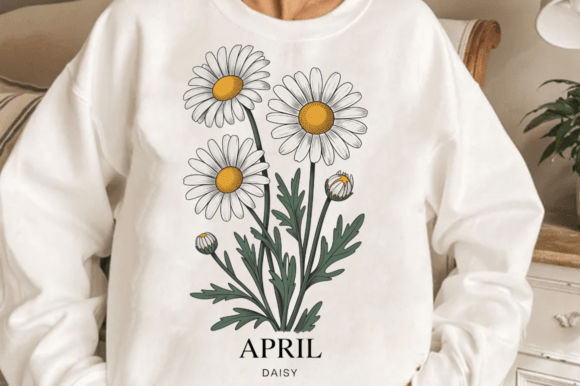
The layout is clean, with a central daisy surrounded by smaller buds and leaves, giving it a natural, layered look. The level of detail is just right—not too intricate that it becomes overwhelming, but enough to add texture and depth when stitched. This makes it a great candidate for embroidered patches, sweatshirt embroidery, or even personalized gifts.
Real-Life Embroidery Use: A Custom Tote Bag Scenario
Let’s imagine preparing a custom embroidered tote bag for a boutique product line. I’d start by checking how April Daisy Sublimation Design would translate from digital to physical. The transparent background and high-resolution PNG format make it easy to place the design precisely where needed, whether on a light-colored fabric or a darker base.
When testing the design on scrap fabric, I noticed that the stitch density was balanced—enough to maintain definition without creating stiffness. For a tote bag, this is key because the fabric needs to remain flexible while still showing off the design. Using a proper stabilizer and choosing thread colors that contrast well with the fabric will help ensure the final look is crisp and professional.
I also considered how the design would hold up on different fabric types. While it looks great on cotton or polyester blends, I’d be cautious about using it on stretchy materials like knits, as the design might distort slightly during washing. If I were making holiday embroidery items, I’d test it on a few samples first to see how it behaves under various conditions.
Where to Use April Daisy Sublimation Design Carefully
While April Daisy Sublimation Design is a strong contender for many projects, there are some scenarios where extra care is needed. For instance, if you're working with small hoop sizes, the design may not fit perfectly without resizing, which could affect the overall clarity. Also, on textured fabrics or thin materials, the stitching might not show up as clearly, so testing is essential.
If you plan to use it on curved surfaces like caps or hats, you’ll need to adjust the placement carefully to avoid distortion. Additionally, for products that require frequent washing, ensuring that the design is securely stitched with the right stabilizer is crucial to maintaining its integrity over time.
Design Impact on Visual Appeal and Customer Perception
The visual appeal of April Daisy Sublimation Design lies in its simplicity and elegance. It doesn’t scream for attention but instead invites appreciation, which makes it ideal for handmade products or small shop merchandise. Customers often respond positively to designs that feel personal and thoughtful, and this one definitely has that quality.
For Etsy sellers or craft business owners, using this design can enhance brand consistency and professionalism. It’s a subtle way to add charm to custom apparel or personalized gifts without overpowering the overall aesthetic. When paired with the right color palette and fabric choice, it can elevate the value of a finished product significantly.
It also adds a touch of recognition—especially around springtime or for nursery decor or wedding gifts. Buyers appreciate knowing they’re getting something that feels special and unique, which this design delivers.
Practical Embroidery Designer Notes
Before diving into a large project, I always recommend testing April Daisy Sublimation Design on scrap fabric first. This allows you to check how the stitches look in real life, especially in terms of stitch density and thread color contrast. You should also review the hoop size required to ensure the design fits comfortably without stretching or compressing.
Inspecting small details like the edges of the petals and the center of the daisy is important to make sure they don’t get lost in the stitching. Testing the design in black and white mockups can help determine if the lines are clear enough for your chosen fabric. Comparing it against both light and dark backgrounds will give you a better idea of how it performs across different applications.
Don’t forget to check the licensing information before selling any finished items or digital products. Confirming that the design is suitable for both personal and commercial projects will save you from potential legal issues down the line.
Finally, using the right stabilizer and selecting appropriate thread colors can make all the difference in the final outcome. Whether you're creating embroidered patches, apron designs, or printable mockups, these steps will help you achieve a polished, professional finish every time.